
Sell Land in Maple Valley WA
Goan Properties Limited reviews vacant land, acreage, inherited property, infill lots, older homes with land value, and development parcels in Maple Valley, Washington. If you want to compare a direct sale with listing, holding, or doing more work on the property first, we can review the parcel and the issues that may affect its practical value.
We review many kinds of land in Maple Valley. For example, that may include residential lots, infill parcels, inherited property, or land with access, utility, tax, or title questions.
Looking for a practical way to sell land in Maple Valley? We work with owners who want to sell lots, inherited parcels, extra land, and development property without the usual back-and-forth of a traditional listing.
Why Maple Valley Owners Choose a Direct Sale
Maple Valley parcels do not all look the same. Some sit in established neighborhoods. Others are shaped by slope, road access, drainage, utility availability, or future building plans.
Because of that, many owners want a buyer who understands land instead of a process built mainly for houses. In other words, a direct sale can make sense when speed, simplicity, and clarity matter more than putting the parcel on the market and waiting.
- No real estate commissions
- Simple intake and property review
- We buy vacant land, inherited parcels, and development sites
- We can review land with title, tax, access, or utility questions
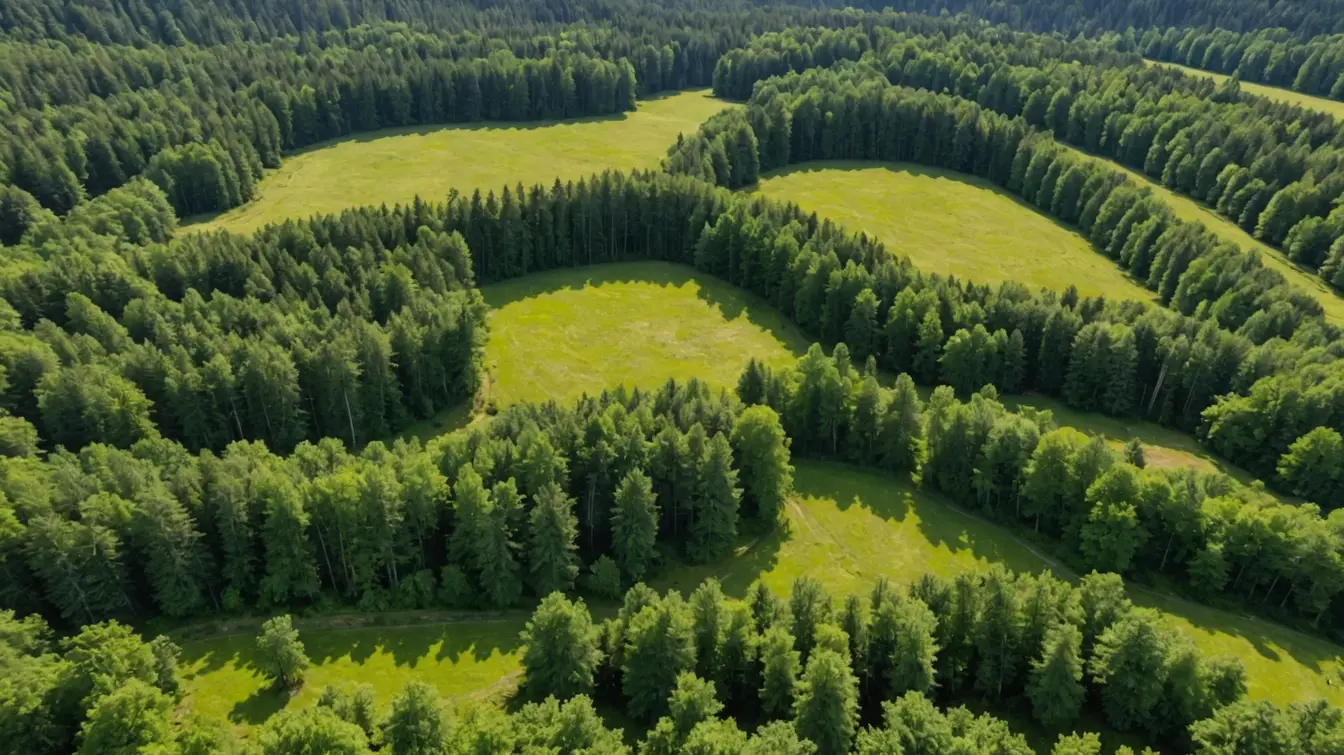
Common Maple Valley Land Situations We Review
Some owners are ready to sell because the property has become a burden. Others simply do not want to hold land for years. In either case, it helps to work with a buyer who already looks at the main details that affect land value.
Inherited Property
Inherited land can be hard to manage, especially when multiple heirs, taxes, or upkeep concerns are involved.
Extra or Unused Land
Some owners would rather turn a vacant parcel into cash than keep paying taxes on property they do not use.
Land With Open Questions
Parcels with access, utility, zoning, or title issues can still be worth reviewing. After all, not every property is clean on day one.
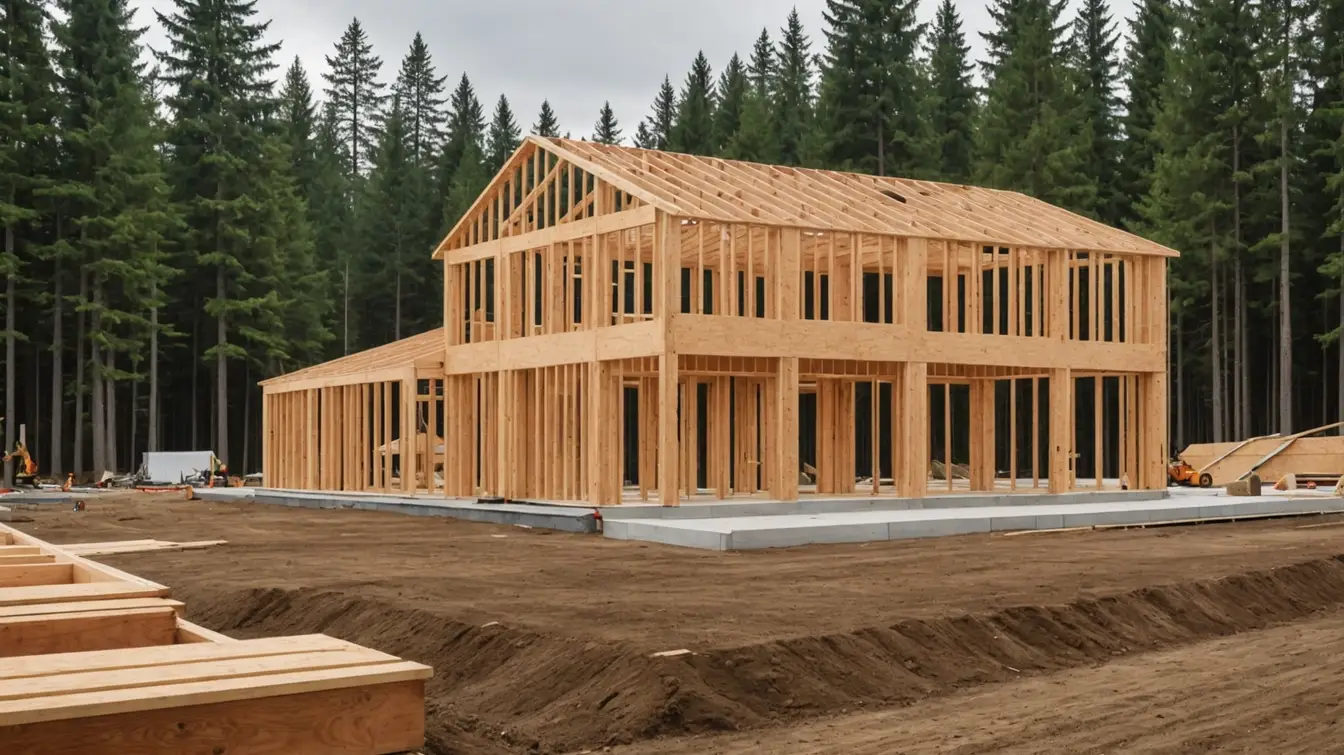
Types of Land We Buy in Maple Valley
We review many kinds of property in the Maple Valley area. Some parcels are simple. Others need a closer look. Either way, both can still be good candidates for a direct sale.
- Vacant residential lots
- Infill lots and neighborhood parcels
- Inherited land and unwanted property
- Development land
- Parcels with utility or access concerns
- Land with back taxes or title issues
Even if you are unsure about buildability, setbacks, utilities, or market value, you can still submit the parcel for review.
Maple Valley WA Land for Sale vs. Selling Property You Already Own
Owners researching Maple Valley property often see online listings for “Maple Valley WA land for sale.” Those listings can be useful context, but an asking price does not automatically establish what a specific parcel is worth or what a buyer can reasonably support.
If you already own property in Maple Valley and are deciding whether to sell, the more useful question is what the parcel can realistically support. Two properties with similar acreage can have very different values because of zoning, usable land area, access, utilities, frontage, slope, wetlands, critical areas, title conditions, or development potential.
How Maple Valley Land Value Is Evaluated
Maple Valley land value can depend on both market demand and the amount of the property that is realistically usable. For a straightforward residential lot, comparable sales may be important. For acreage or development land, site constraints and development economics can carry much more weight.
- Gross acreage compared with usable acreage
- Current zoning and realistic development yield
- Legal and physical access
- Water, sewer or septic, power, and utility extension needs
- Slope, wetlands, drainage, trees, and other site constraints
- Subdivision, entitlement, frontage, or site-work requirements
- Builder, investor, or end-user demand
For a broader framework, see the Washington Land Value Guide.
Zoning, Jurisdiction, and Development Potential in Maple Valley
The first step is identifying the actual parcel and the jurisdiction whose development standards apply. A Maple Valley mailing address or area name does not by itself establish zoning, development rights, or which rules control the property.
Once the parcel and jurisdiction are confirmed, zoning becomes the starting point. However, practical development potential can still change after lot dimensions, setbacks, access, utilities, critical areas, easements, stormwater, frontage improvements, and site layout are considered.
Confirm the Parcel and Jurisdiction
Start with the parcel number, ownership, legal description, and the city or county that actually regulates the site.
Review Zoning
Identify allowed uses, density, dimensional standards, overlays, and any site-specific development rules.
Test Feasibility
Then compare the zoning envelope with the actual site, access, utilities, constraints, and likely project economics.
Gross Acreage vs. Usable Acreage
One of the biggest mistakes in pricing larger parcels is assuming that every recorded acre has the same practical use. Gross acreage is the total recorded area. Usable acreage is the portion that remains practical after access, setbacks, topography, environmental constraints, easements, stormwater, and other site conditions are considered.
A parcel can still have meaningful value when part of it is constrained, but the development path may depend on where the usable area is located and whether it connects efficiently to access and utilities.
- Wetlands and required buffers
- Streams, drainage corridors, or flood-related constraints
- Steep or difficult slopes
- Access corridors and easements
- Unusual lot shape or narrow usable areas
- Stormwater or frontage requirements
- Utility corridors and service locations
Why Site Constraints Can Change Buyer Economics
A buyer may begin with the parcel size and then reduce the development assumption as constraints are confirmed. Fewer practical building areas, longer access routes, expensive utility work, or more complicated grading can increase cost and reduce what a buyer can support for the land.
That does not mean the parcel is “bad.” It means the value must be tied to the portion of the site that can realistically support the intended use.
For more detail, see the Washington Wetlands Guide, Washington Critical Areas Guide, and Washington Slope Guide.
Utilities: Nearby Does Not Always Mean Ready to Connect
A utility shown on a map or located in a nearby road is not the same as a confirmed, affordable connection. Buyers may need to understand service availability, connection points, capacity, extension distance, easements, frontage requirements, and the cost of bringing service to the future building area.
- Public water availability and connection location
- Public sewer availability, grade, capacity, or extension needs
- Septic feasibility where public sewer is not practical
- Power service location and extension requirements
- Stormwater requirements and usable-site impacts
See the Washington Utility Guide.
Access, Frontage, and Easements Matter
A parcel touching a road does not automatically resolve every access question. A buyer may need to confirm legal access, practical driveway placement, road condition, frontage, shared-road obligations, easements, and whether access reaches the usable portion of the property.
- Recorded access rights
- Private or shared roads
- Driveway feasibility
- Road width, grade, and maintenance
- Frontage improvements or dedication
- Utility or access easements crossing the site
See the Washington Access & Easement Guide.
Selling a Maple Valley Property With an Older House
Some Maple Valley properties include an older, undersized, damaged, or functionally obsolete house on land that may attract redevelopment interest. In those situations, a buyer may analyze the property differently from a conventional homebuyer.
The structure can still matter because it may provide utility connections, occupancy value, rental income, or evidence of prior site use. At the same time, a redevelopment buyer may consider demolition cost, hazardous-material risk, access, site layout, and the value of the underlying land after the structure is removed.
If the existing house may be more of a redevelopment issue than an asset, see our Sell Land With a House That Needs Demolition guide.
Development Economics Can Affect a Maple Valley Land Offer
Development-oriented buyers often work backward from the likely value of the completed project. From that value they account for construction, site work, design, engineering, permits, financing, carrying costs, sales costs, contingency, and an appropriate margin for risk.
This helps explain why two buyers can reach different values for the same parcel. Their assumptions about development yield, timing, cost, market demand, and risk may not be the same.
What We Review Before Deciding Whether a Maple Valley Property Fits
We do not need every answer before you contact us. The purpose of the review is to identify the questions that matter most and decide whether the parcel fits our acquisition criteria.
Ownership and Parcel Basics
Parcel number, ownership, legal description, tax status, title issues, and basic property characteristics.
Physical and Regulatory Feasibility
Zoning, access, frontage, utilities, lot shape, slope, wetlands, critical areas, and other site constraints.
Market and Buyer Path
Nearby sales, likely use, builder or investor demand, and whether a direct acquisition path is realistic.
How Our Maple Valley Land Buying Process Works
We keep the process simple. First, you send the basics. Next, we review the property. Then you decide whether the offer fits your goals.
Submit Property Details
Share the parcel number, address if available, and a few notes through our intake form.
We Review the Land
We look at location, access, utilities, parcel shape, and nearby land factors.
Receive a Direct Offer
You receive a simple offer without being pushed into a listing process you may not want.
Why Maple Valley Land Needs a Local Review
Land value in Maple Valley depends on more than raw acreage. For instance, road frontage, slope, drainage, utility reach, and intended use all matter.
That is why many owners prefer a direct review from a buyer who studies land deals. Rather than guess, you can submit the parcel and get a practical response based on the property itself.
Maple Valley Land Seller Resources
If you are still comparing options, these pages can help. They explain the wider Washington land selling process. In addition, they support the Maple Valley page with useful internal links instead of repeating a footer section that already appears sitewide.
Explore Nearby King County and Washington Pages
Maple Valley should sit inside your larger King County cluster. So, these internal links help visitors while also supporting SEO.
Frequently Asked Questions About Selling Land in Maple Valley
Do you buy vacant land in Maple Valley?
Yes. We review vacant residential lots, inherited property, and development parcels throughout Maple Valley.
Can I sell inherited land in Maple Valley without listing it?
Yes. Many inherited parcels are sold directly when owners want a simpler process and do not want to prepare the property for a full market listing.
What if my land has back taxes, access issues, or title questions?
You can still submit it. In many cases, we review parcels that have open questions and are not perfectly simple.
Do you only buy fully buildable lots?
No. We also review land where development potential still needs to be understood, especially when utilities, zoning, slope, or layout affect use.
How is Maple Valley land value determined?
Maple Valley land value can depend on comparable sales, zoning, usable acreage, legal access, utilities, slope, wetlands, critical areas, development potential, site costs, and buyer demand.
Can I sell acreage that is partly wet, steep, or otherwise constrained?
Yes. A constrained parcel can still have value. The important question is how much usable area remains and whether that usable area has practical access, utilities, and a realistic development or ownership path.
What if utilities are not connected to my Maple Valley property?
You can still submit the property. We can review available utility information and consider whether service appears nearby, whether extensions may be required, and how that uncertainty could affect the buyer path.
Can I sell property with an older house where the land may have more value?
Yes. We review older homes and other improved properties where the underlying land may be an important part of the value. The analysis can consider the existing structure, utilities, demolition questions, zoning, site constraints, and redevelopment potential.
Do I need to know the zoning before contacting you?
No. The parcel number or full address is enough to start. Zoning and jurisdiction are part of the property review because a mailing address alone does not establish development rights.
How does access affect the value of Maple Valley land?
Access can materially affect value. Buyers may need to understand legal access, driveway feasibility, road condition, frontage, shared-road obligations, easements, and whether the usable portion of the property can actually be reached.
Ready To Sell Your Maple Valley Land?
Get a fast, no-pressure review from a local Washington land buyer. Whether you own vacant land, inherited property, or a development parcel in Maple Valley, send us the details and we will review it.