
Sell Land Online in Washington
Learn how to sell land online in Washington—from researching your parcel and setting a defensible price to choosing where to list, preparing the property information buyers expect, screening inquiries, and closing safely.
Considering a direct sale? Start with an address or parcel number, county, and email. No plans or studies are required. Explore your options below or request a free initial acquisition review.
Can You Sell Land Online in Washington?
Sell land online in Washington successfully by preparing accurate property information, pricing the parcel correctly, choosing the right marketing channel, and answering the questions buyers ask before making an offer. Washington landowners can market property through major real-estate portals, land-specific marketplaces, social media, local investor networks, a land-focused real-estate agent, or a direct buyer. Unlike selling a house, however, an online land sale depends heavily on accurate property research. Buyers want to understand zoning, legal access, utilities, environmental constraints, title condition, development potential, and price before they invest time in a site visit or offer.
Whether you own a vacant lot, acreage, inherited property, infill land, or a development parcel, this guide explains how to sell land online in Washington, compare online selling platforms, prepare documents and pricing support, and use Goan’s Free Washington Parcel Review before listing. For a broader overview of selling options, also see the Washington land-selling guide.
Online exposure can expand the buyer pool
Internet marketing can reach builders, investors, neighboring owners, recreational buyers, farmers, and people relocating to Washington. A parcel that receives little local attention may still appeal to a buyer searching by acreage, zoning, county, or intended use.
Land buyers evaluate risk before emotion
House buyers often react to finishes, layout, and neighborhood feel. Land buyers usually begin with access, zoning, utilities, topography, environmental constraints, title, and development cost. Your online presentation should answer those questions in that order.
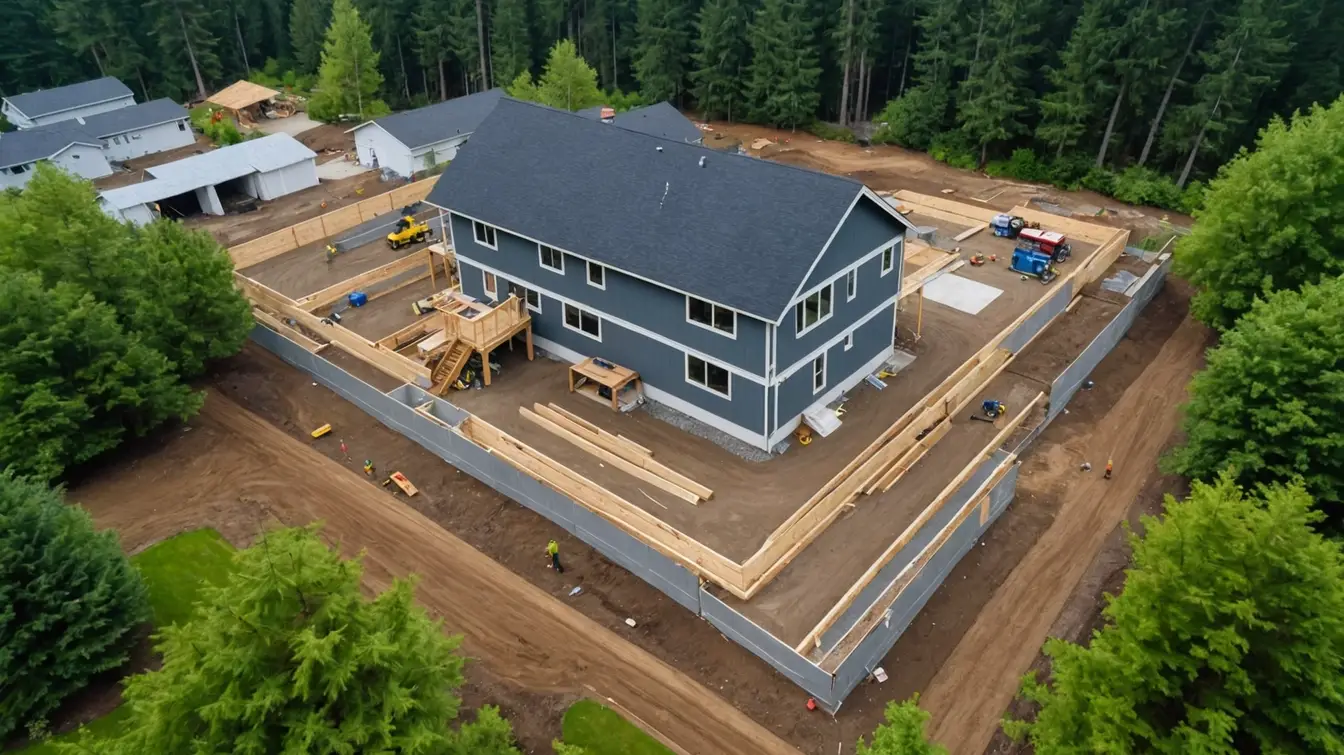
Sell Land Online in Washington: Complete Guide
Selling Larger Parcels and Development Acreage Online in Washington
If you own a larger parcel, several neighboring lots, or an older property where future land use may matter, an online listing needs to explain the site as well as advertise the acreage. Goan welcomes submissions of larger Washington parcels for an initial acquisition screen; size alone does not determine whether a property fits.
Describe the whole property
Identify the parcel numbers, approximate total acreage, existing buildings, current use, and the city or county. Explain whether the acreage is one parcel or several. If the figures come from assessor records rather than a survey, identify that source and leave exact boundaries for verification.
Explain usable area and open questions
Gross acreage is a starting point. Access, parcel shape, utilities, drainage, slopes, wetlands, and other site conditions may affect the area a project can use. Share known concerns and existing reports without turning an early concept into a promise of a particular unit count.
Reach the right kind of buyer
A larger site may need a buyer willing to investigate infrastructure, project design, approvals, and costs. Your presentation should make the important records easy to understand. Broad exposure can help, but detailed questions about the site are more useful than a large number of casual inquiries.
You do not need to complete a development study before contacting Goan. Tell us what you own, what you already know, and your goal. We assess submissions individually rather than treating acreage or a zoning label as automatic qualification.
Have a larger parcel or several lots to discuss?
Start with an address or parcel number, county, and email. Mention approximate acreage and additional parcels in the optional notes.
Selling Multifamily Land and Redevelopment Property Online
An apartment concept, multifamily zoning, or an older house on a larger site may give buyers a reason to investigate. It does not establish an approved project. Help a buyer distinguish the property’s current condition, documented planning information, and a future idea.
Existing use and ownership
Describe houses, rentals, other buildings, vacant portions, and whether anyone occupies or uses the property. Mention known leases or other ownership interests without publishing private tenant records. This gives a buyer a starting point for understanding the site and potential transaction.
Zoning, concept, and approval status
State the zoning information you have and where it came from. Label drawings as an owner idea, consultant concept, submitted application, or documented approval. Include the date and any known conditions or expiration questions. A prior drawing should not be advertised as an approved unit count unless the supporting approval establishes that.
Infrastructure and project fit
Share what is known about road access, water, sewer or septic, power, and any provider correspondence. Nearby lines do not establish capacity or connection cost. A buyer may also need to consider site layout, construction costs, approval requirements, and market demand before discussing terms.
Explore our multifamily land page, commercial land page, or infill lot page for property-specific questions. The development-land hub brings these seller paths together.
Selling Adjoining Parcels With One or Multiple Owners
Several parcels can be discussed together, but a shared boundary does not establish a workable combined project. The starting point is identifying the land and understanding who is participating.
List the parcels separately
Provide the parcel numbers you know and explain which you own or are authorized to represent. If one parcel includes a home and another is vacant, say so. Approximate combined acreage is helpful, but keep each parcel’s identity clear.
Explain owner participation
Tell us whether neighboring owners have expressed interest, are actively participating, or have not been contacted. Unknown is acceptable. Do not present neighboring land as available for sale or imply that another owner has agreed without their authorization.
Keep potential separate from agreement
A combined site may raise questions about access, utilities, design, ownership, and coordinated sale terms. Those questions need investigation. A discussion about several parcels does not commit any owner to sell or establish an approved assemblage.
Want to discuss adjoining land?
Use one address or parcel number to start. List the other parcels, your role, and known owner participation in the optional notes.
What Development Buyers Need to Evaluate a Site
A useful property summary helps a buyer identify the opportunity and the questions that could change it. You can organize this information for an online listing or share what you have during a direct acquisition discussion.
Property identity and source
List the address or APNs, jurisdiction, acreage source, current use, and ownership participation. Distinguish owner knowledge from assessor data, consultant work, provider correspondence, and written agency decisions. Dates matter when records describe earlier site conditions or plans.
Evidence and missing information
Identify available surveys, concepts, prior applications, utility responses, and site studies. Explain what each document covers and what remains unknown. You do not need to commission a full package for Goan’s initial form; mention what exists and we can request relevant documents during follow-up.
Seller goals and proposed terms
Share your preferred timing and whether you are exploring options or ready to discuss a sale. Later purchase discussions may address price, deposits, feasibility periods, contingencies, and closing requirements. Those terms depend on the site and an agreed written contract.
See the fictional review example for one way to organize owner information and open questions. It illustrates a format, not a promised report or an assessment of your property.
Have some of this information, but not all of it?
That is enough to start a conversation. Submit an address or parcel number, county, and email; add the details you already know.
Can You Sell Before Completing Plans or Approvals?
Owners can explore a sale at different stages. The important point is to describe the current stage accurately and understand that unresolved questions may affect a buyer’s interest and terms.
No plans yet
You can request an initial acquisition review before paying for a concept, survey, or engineering study. Start with the property identity and your goal. The initial screen may lead to a request for information, further investigation, a purchase discussion, or a decision that the property is not a fit.
Some prior work exists
Mention prior concepts, reports, applications, or planning feedback in the notes. Explain who prepared the material and when, if known. Follow-up can clarify relevance, status, and what still needs verification; having a document does not mean every development question is resolved.
Approvals or studies are advanced
State which work is complete and provide supporting records when requested. Any conditions, remaining approvals, infrastructure obligations, or validity questions may matter. More documentation can help a buyer evaluate a site, but does not guarantee a purchase offer or a particular price.
Read the Washington Development Process Guide for the broader development stages, and how our buying process works for Goan’s acquisition path.
How to Sell Land Online in Washington: Step by Step
The strongest online land listings are built on research rather than marketing language alone.
Confirm ownership and parcel identity
Verify the owner name, parcel number, county, site address if one exists, legal description, and mailing address. Inherited or jointly owned land may require probate, signatures from multiple owners, or title correction before closing.
Research zoning and allowed use
Identify the jurisdiction and current zoning designation. Do not describe the parcel as buildable, subdividable, commercial, or multifamily unless the supporting rules and site conditions have been reviewed.
Check legal access
Road frontage on a map does not always equal legal access. Review recorded easements, public-road status, private-road agreements, and whether physical access matches the title documents. See the Washington Access and Easement Guide.
Investigate utilities
Determine whether water, sewer, power, and other services are at the parcel, in the street, nearby, or unavailable. Ask providers about connection availability and capacity rather than relying only on visible utility lines. The Washington Utility Guide provides a deeper checklist.
Screen site constraints
Review wetlands, streams, flood zones, critical areas, steep slopes, drainage, soils, shoreline rules, tree retention, and other conditions that may affect use or development cost.
Estimate a defensible price range
Use recent comparable land sales, active listings, assessed land value, location, zoning, access, utilities, parcel shape, topography, and likely development cost. Avoid pricing solely from the county assessment. For more detail, review the Washington Land Value Guide.
Prepare maps, photos, and facts
Include clear location maps, parcel boundaries, road access, aerial views, site photographs, tax information, and a summary of what is confirmed versus what remains unknown.
Choose the right online channel
The best platform depends on whether the parcel is a retail homesite, rural acreage, recreational land, agricultural property, infill lot, teardown, or development site.
Screen buyers and close safely
Use written terms, verify identity and funds, avoid pressure to bypass escrow, and close through a legitimate Washington title or escrow company. Independently verify wire instructions before sending money.
Not sure what your parcel needs before it can be marketed?
Start with an address or parcel number, county, and email. Phone and property notes are optional. No plans or studies are required to begin an initial acquisition review, and there is no obligation to sell.
Best Ways to Sell Land Online in Washington
No single online channel is best for every parcel. When you sell land online in Washington, match the marketing channel to the likely buyer and the amount of work you are willing to manage.
| Method | Best for | Main advantage | Main limitation |
|---|---|---|---|
| Major real-estate portals | Retail lots and parcels with broad market appeal | Large consumer audience | Usually strongest when connected to an MLS listing |
| Land-specific marketplaces | Acreage, rural property, recreational land, farms, and investment parcels | Audience already searching for land | Listing quality and paid exposure vary by platform |
| For-sale-by-owner websites | Owners prepared to manage inquiries, documents, and negotiations | More control over presentation and communication | Owner must handle screening and transaction coordination |
| Social media and local groups | Neighborhood lots, local investors, builders, and neighboring owners | Fast local distribution | Many low-quality inquiries and limited buyer verification |
| Direct buyer review | Inherited property, tax issues, access questions, teardown sites, and owners prioritizing simplicity | Potentially fewer marketing and repair requirements | Offer may be below full retail potential |
| Land-focused real-estate agent | Higher-value or retail-ready property | Professional pricing, MLS exposure, and transaction support | Commission, preparation, and longer marketing timeline may apply |
Prefer to explore a direct sale first?
You can request an acquisition review before preparing a public listing. Start with an address or parcel number, county, and email.
How to Sell Land Online for Free in Washington
Yes, you can market Washington land online without paying for every part of the advertising process. The important distinction is between free online exposure and a completely cost-free real-estate transaction. Some channels may allow owners to post or promote property at no charge, while title, escrow, recording, taxes, reports, professional advice, or optional paid marketing can still create costs later.
Start with free or low-cost local exposure
Local social-media groups, neighborhood networks, community pages, investor groups, and direct outreach to nearby owners can create visibility without requiring a traditional listing package. These channels are often most useful for infill lots, local acreage, teardown sites, and parcels that may appeal to neighboring owners or small builders.
Use owner-directed listing channels carefully
Some classified or for-sale-by-owner channels may offer free posting options or limited no-cost exposure. Platform pricing and listing rules can change, so verify the current terms before relying on any service. The goal is not simply to post for free—it is to make sure serious buyers can understand the parcel and contact you safely.
Prepare the property information before you advertise
A free listing can still perform poorly if the parcel information is incomplete. Include the parcel number, county, zoning, access, utilities, acreage, maps, known constraints, asking price, and what has or has not been verified. Better information reduces low-quality inquiries and helps serious buyers evaluate the property faster.
Best Websites to Sell Land Online in Washington
The strongest platform to sell land online in Washington depends on the parcel type, location, expected buyer, and whether you plan to work with a real-estate agent. Platform policies, pricing, and syndication arrangements can change, so verify current terms before publishing.
Zillow and other major real-estate portals
Large real-estate portals can provide broad visibility, especially when a land listing is entered into a multiple listing service and syndicated outward. They tend to work best for retail-ready lots, infill parcels, and properties that are easy for ordinary homebuyers to understand.
The limitation is that land listings compete with houses and may receive less attention unless the title, maps, price, zoning, utilities, and intended use are presented clearly.
LandWatch and Lands of America
Land-focused marketplaces are designed for acreage, rural property, recreational land, farms, timberland, and investment parcels. Buyers often search by acreage, county, property type, and intended use rather than by street address alone.
These platforms can provide a more relevant audience than general portals, but visibility may depend on listing quality, subscription level, broker participation, and paid placement.
Facebook Marketplace and local groups
Facebook can distribute a parcel quickly to neighboring owners, builders, investors, local agents, and community groups. It is especially useful for local awareness and direct conversations.
Expect a higher percentage of casual inquiries, incomplete profiles, and people who have not reviewed the property details. Do not publish sensitive documents or rely on social-media identity alone when evaluating a buyer.
For-sale-by-owner and classified websites
Owner-directed websites can give you more control over the asking price, photos, maps, contact details, and presentation. They may be suitable when you are willing to answer questions, screen buyers, coordinate documents, and manage negotiations.
Traffic quality varies. Track which platforms generate serious questions rather than measuring success only by views or messages.
Facebook Marketplace vs. Zillow vs. LandWatch vs. Lands of America
These channels serve different audiences. Using more than one may help, but the information should remain consistent across every listing.
| Platform type | Likely audience | Best use | Watch for |
|---|---|---|---|
| Facebook Marketplace and groups | Local buyers, neighbors, investors, agents, builders, and casual browsers | Fast local exposure, neighborhood lots, infill, and direct conversations | Low-quality leads, scams, inconsistent buyer identity, and limited property filters |
| Zillow and major portals | Broad residential real-estate audience | Retail-ready lots and listings distributed through an agent or MLS | Land may be overshadowed by houses; listing-feed rules may limit owner-posted visibility |
| LandWatch | Buyers actively searching for land and acreage | Rural land, recreational parcels, farms, acreage, and investment property | Subscription choices, paid placement, and competition from professional listings |
| Lands of America | Land, farm, ranch, recreational, and investment buyers | Specialized land exposure and properties best understood by land-focused buyers | Listing access, cost, syndication, and how your parcel is categorized |
Should You Use the MLS to Sell Land Online in Washington?
The multiple listing service can be valuable when you sell land online in Washington, but it is not automatically the best answer for every parcel.
When MLS exposure can help
MLS exposure may be useful when the parcel is retail-ready, has clear legal access, understandable zoning, strong utility information, good photography, and a price supported by comparable sales. An agent can coordinate listing input, disclosures, showings, negotiations, and syndication to consumer portals.
When another route may be more practical
A direct or specialized approach may fit inherited land, tax-delinquent property, teardown sites, parcels with unclear access, unusual development constraints, or owners who prioritize speed and simplicity over testing the highest possible retail price.
Why Land Often Takes Longer to Sell Than a House
A house has an existing use that most buyers can see. Vacant land often requires the buyer to prove that the intended use is physically, legally, and financially feasible.
Smaller buyer pool
Many buyers need a home immediately. Fewer buyers are prepared to finance, design, permit, service, and build on vacant land.
More due diligence
Buyers may need zoning confirmation, utility research, septic testing, wetland review, survey work, title review, engineering, or preliminary plans.
Harder financing
Vacant-land loans may require larger down payments, shorter terms, stronger borrower qualifications, or a clear construction plan.
Uncertain development cost
Roads, utilities, drainage, grading, mitigation, studies, and permit requirements can materially change what a buyer can afford to pay.
Pricing is less standardized
Land sales are less frequent, and nearby parcels may differ significantly in zoning, access, utility status, topography, or usable area.
Approval risk
A buyer may spend months investigating a parcel without certainty that a subdivision, building permit, septic system, or intended use will be approved.
What Buyers Look for Before You Sell Land Online in Washington
Serious buyers usually decide whether to contact you after a rapid risk screen. If you plan to sell land online in Washington, make these answers easy to find.
Location and parcel identity
Parcel number, county, address or nearest road, acreage, dimensions, maps, and approximate boundaries.
Use and development potential
Zoning, jurisdiction, allowed uses, density, setbacks, subdivision possibilities, and any prior applications or plans.
Access
Public-road frontage, recorded easements, private-road agreements, physical access, driveway feasibility, and maintenance obligations.
Utilities and sanitation
Water source, sewer availability, septic history, power location, connection status, provider contacts, and known extension requirements.
Constraints
Wetlands, streams, floodplain, steep slopes, critical areas, shoreline rules, drainage, soils, contamination, and title exceptions.
Price and seller expectations
Asking price, whether terms are negotiable, preferred closing timeline, feasibility period, and whether seller financing will be considered.
Documents to Prepare Before You Sell Land Online in Washington
You may not have every item. Before you sell land online in Washington, organize what exists and identify what still needs to be obtained.
Ownership and title documents
Current deed, owner names, entity documents when applicable, probate or inheritance records, recorded easements, road agreements, covenants, and any available title report.
Parcel and tax records
County assessor page, parcel map, legal description, acreage, dimensions, assessed values, annual taxes, delinquency information, and special assessments.
Site and development records
Survey, boundary information, topographic map, wetland or critical-area reports, geotechnical work, septic records, soil logs, drainage studies, plans, permits, and prior feasibility reports.
Utility and access evidence
Provider correspondence, availability letters, connection estimates, meter information, well records, sewer maps, easement documents, driveway permits, and road-maintenance agreements.
Organize the facts before you publish the listing
Use this guide to organize existing information for an online listing. If you are considering a direct sale, Goan’s free acquisition screen can help identify possible next steps and information needed for a purchase discussion. A complete listing package is not required to submit the form.
Parcel Intelligence
Get a practical starting checklist based on what you know about your land. Every field is optional. Parcel Intelligence highlights questions and records that may be useful, then helps you carry your answers to the review form. It does not check public records, estimate value, or confirm development potential.
Property basics
Ownership and participation
Existing information
Your Parcel Intelligence guidance
Continue to the form to carry this summary into the optional property notes in the same browser tab. You can review or edit those notes before submitting. Nothing is sent to Goan until you submit the form. If browser storage is unavailable, copy the summary and paste it into the notes. Address or parcel number, county, and email are required on the form; phone is optional.
Washington-Specific Issues That Can Affect an Online Land Sale
Washington parcels are often governed by a combination of county or city zoning, critical-area regulations, utility districts, shoreline rules, access documents, and site-specific development standards.
Critical areas and wetlands
Wetlands, streams, buffers, fish and wildlife habitat, frequently flooded areas, erosion hazards, and steep slopes can reduce usable area or require professional studies and mitigation. Review the Washington wetlands guide, slope guide, and critical-areas guide.
Utilities and septic feasibility
A nearby utility line does not guarantee service, capacity, or an affordable connection. Rural parcels may depend on well and septic feasibility. See the Washington utility guide for the questions buyers are likely to ask.
Access, easements, and private roads
Online maps may show a road without proving legal access. Recorded easements, road-maintenance agreements, driveway standards, and emergency access can materially affect value. Use the Washington access and easement guide.
Zoning and development standards
The zoning label alone may not answer density, setbacks, minimum lot size, frontage, height, parking, tree retention, or subdivision questions. Start with the Washington land zoning guide.
Feasibility and entitlement risk
Development buyers often require time to confirm whether the intended project is feasible. The Washington land feasibility guide and entitlement guide explain why due-diligence periods matter.
Taxes, inheritance, and seller circumstances
Inherited ownership, delinquent taxes, multiple heirs, and capital-gains questions can affect the timing and structure of a sale. Review the inherited-land guide, property-tax options, and capital-gains overview.
How to Price Property When You Sell Land Online in Washington
The asking price is one of the strongest signals buyers use to decide whether to investigate a parcel or ignore it. A defensible price is essential when you sell land online in Washington.
Use comparable land—not house sales
Compare parcels with similar zoning, utility status, access, acreage, location, topography, and development potential. A nearby improved home sale may say little about the value of raw land.
Active listings show competition, but completed sales provide stronger evidence of what buyers actually paid. Adjust for differences rather than assuming price per square foot or price per acre applies uniformly.
Subtract uncertainty and likely development cost
Two parcels of the same size can have very different values if one has sewer, legal access, and a clear building envelope while the other requires a road, septic approval, wetland review, or major grading.
A serious buyer may discount the price for unknowns, entitlement time, consultant cost, holding cost, market risk, and the possibility that a desired use will not be approved.
Online Land Pricing Strategies
The correct strategy depends on whether your goal is maximum exposure, a faster sale, a direct transaction, or testing the market while you continue due diligence.
Retail-market strategy
Price near the supported market range when the parcel is well documented, easy to understand, financeable, and likely to attract owner-users or builders. Allow enough time for normal marketing and feasibility.
Competitive-positioning strategy
Price below the most comparable active listings to generate attention while remaining supported by completed sales and the parcel’s actual utility and development profile.
As-is or direct-sale strategy
Expect a buyer to account for uncertainty, research cost, entitlement risk, holding time, resale or development margin, and the convenience of a simpler transaction.
Price-reduction schedule
Set review dates before listing. If the parcel receives views but no serious inquiries, reassess the price, presentation, platform, or missing information rather than waiting indefinitely.
Seller-financing strategy
Seller financing may expand the buyer pool and support a stronger price, but it introduces credit, documentation, servicing, default, tax, and legal considerations that require professional advice.
Request-offers strategy
For development sites, an asking price may be less useful than requesting nonbinding proposals that address price, feasibility period, extension rights, deposits, closing timeline, and contingencies.
What to Include When You Sell Land Online in Washington
A high-quality listing should be accurate, organized, and explicit about what has and has not been verified.
Identification
Parcel number, county, site address, acreage, dimensions, legal description, and owner-provided contact information.
Location and access
Road name, frontage, legal access status, private-road conditions, easements, nearby landmarks, and driving directions when appropriate.
Zoning and jurisdiction
Current zoning designation, governing city or county, and a careful description of potential uses subject to verification.
Utilities
Water, sewer, septic, well, power, gas, internet, and whether availability has been confirmed by the provider.
Site conditions
Topography, vegetation, drainage, wetlands, floodplain, critical areas, soils, shoreline conditions, and known environmental concerns.
Supporting material
Aerial map, parcel map, photographs, survey if available, title information, tax details, reports, plans, and relevant correspondence.
Common Mistakes When Selling Land Online
Calling land “buildable” without verification
Buildability may depend on zoning, access, water, sewer or septic, setbacks, wetlands, slope, lot history, and other regulations. Use careful language when the evidence is incomplete.
Pricing only from the tax assessment
Assessed value may lag the market or fail to reflect development limitations. Use it as one data point rather than the entire valuation method.
Using unclear maps or incorrect boundaries
Do not draw precise property lines unless based on reliable records or a survey. Label approximate boundaries clearly.
Ignoring access and easement questions
Physical paths, driveways, and map frontage do not automatically establish legal access. Buyers and title companies will investigate this issue.
Hiding known problems
Disclose known issues and distinguish confirmed facts from estimates. Surprises discovered during title or feasibility review can end negotiations.
Accepting unsafe payment or closing instructions
Be cautious with overpayments, requests to refund funds, unusual wire instructions, pressure to avoid title companies, or buyers who refuse identity verification.
Prefer a simpler path than marketing the parcel yourself?
Goan Properties Limited can review Washington land, explain the major property questions, and determine whether a direct purchase may be considered.
How to Close an Online Land Sale in Washington
Finding a buyer online is only the marketing stage. The transaction still needs clear written terms, title review, due diligence, signatures, recording, and secure disbursement.
Put the agreement in writing
Document the purchase price, earnest money, feasibility period, closing date, contingencies, included documents, and any seller-financing terms that apply.
Open title and escrow
A Washington title or escrow company can coordinate title review, payoff requirements, closing documents, recording, and disbursement. Review exceptions such as easements, liens, covenants, and access rights carefully.
Allow appropriate due diligence
Land buyers may need time to confirm zoning, utilities, access, septic, wetlands, survey matters, financing, or development feasibility before removing contingencies.
Verify money and instructions
Independently confirm escrow contact information and wire instructions using a trusted phone number. Do not redirect funds based only on an unexpected email.
Sign and record correctly
Confirm the correct legal owner is signing and that entity, trust, estate, or probate authority is documented when applicable. The deed should use the correct legal description.
Keep the closing record
Retain the signed settlement statement, recorded deed information, tax documents, and other final transaction records for your files.
How to Avoid Online Land-Sale Scams
Selling online can be efficient, but remote communication makes verification especially important.
Verify identity
Confirm the buyer’s full legal name, entity information when applicable, phone number, email, and authority to sign.
Verify funds and terms
Request clear written terms and appropriate evidence of funds. Do not rely on screenshots or informal promises.
Use title and escrow
A legitimate closing company can coordinate title review, documents, prorations, payoff requirements, signatures, recording, and disbursement.
Confirm wire instructions independently
Call the title or escrow company using a known number before sending funds. Email accounts can be compromised.
Watch for overpayment schemes
Do not accept extra money with instructions to pay a contractor, inspector, agent, or third party from the excess.
Do not surrender control prematurely
Avoid signing deeds, granting possession, or allowing work before the contract, deposit, insurance, and closing arrangements are clear.
How Goan Helps Owners Sell Land Online in Washington
Goan’s free parcel review is an initial acquisition screen to consider whether a property may fit our buying criteria and what information may be needed next. It is not a listing service, appraisal, engineering assessment, or development approval.
Identify the property correctly
Start with an address or parcel number, county, and email. Phone and notes are optional. Property identity and jurisdiction may need clarification during follow-up.
Surface major value drivers
Goan can begin reviewing zoning, access, utility status, site conditions, assessed value, and development questions that may influence buyer interest.
Expose missing information
The review can identify questions that may require county records, utility-provider confirmation, title documents, surveys, or specialist reports.
Improve listing preparation
The checklists in this guide help you organize maps, records, photographs, pricing support, and accurate property descriptions before publishing. Goan’s initial acquisition review does not promise to prepare or validate a listing package.
Compare selling paths
You can consider listing with an agent, marketing the property yourself, holding it, improving the information package, or pursuing a direct sale.
Explore direct-purchase interest
When a parcel fits Goan’s acquisition criteria, a direct purchase may be considered. A review is free, creates no obligation to sell, and does not guarantee an offer.
Turn the online research into a property-specific review
Submit an address or parcel number, county, and email. Phone and notes are optional. Mention existing plans or reports in the notes; documents can be requested during follow-up. The next step may be missing information, further investigation, a purchase discussion, or a decision that the property is not a fit. A formal report or offer is not promised for every request.
About this guide
Published by Goan Properties Limited as an educational resource for Washington landowners who want to understand how to market, evaluate, and close a land sale online. This guide explains common online selling channels, listing preparation, pricing, parcel research, buyer screening, title and escrow, fraud prevention, development-property considerations, and Washington-specific due diligence issues. Goan Properties Limited may also evaluate properties for direct purchase, but this guide is intended to provide general educational information and does not guarantee an offer, transaction outcome, property value, legal conclusion, or tax result. Property-specific legal, title, tax, financing, surveying, engineering, and development questions should be confirmed with qualified professionals where necessary.
Frequently Asked Questions About Selling Land Online in Washington
Can I submit a larger parcel or multifamily development site?
Yes. You can submit larger Washington parcels, multifamily land, older properties, and potential redevelopment sites for an initial acquisition screen. Include approximate acreage and any known zoning or prior work in the optional notes. Size or zoning alone does not establish fit, approved yield, or an offer.
Can several adjoining parcels be reviewed together?
Yes. List the parcel numbers you know, identify which you own or represent, and explain whether other owners are participating. Unknown participation is okay. Adjacency alone does not establish combined development potential.
Do I need plans or studies before requesting a review?
No. Start with an address or parcel number, county, and email. Phone and property notes are optional. Mention existing plans, studies, or planning feedback in the notes; documents can be requested during follow-up.
Does the preparation tool estimate value or submit my property?
No. It uses your selections to organize questions and a summary without checking records or calculating value, yield, or utility readiness. When you continue in the same browser tab, the summary can be carried into the form’s optional notes for you to review. Nothing is submitted until you complete and submit that form. Copy and paste is available if browser storage is unavailable.
Will I receive a formal report or confirmed development answer?
A formal report or development conclusion is not promised for every request. Goan’s initial acquisition screen may lead to a request for information, further investigation, a purchase discussion, or a decision that the property is not a fit. It does not replace professional studies or agency approvals.
Can I sell land online without a realtor?
Yes. A Washington landowner can market and negotiate a sale without an agent. The owner remains responsible for pricing, advertising, buyer screening, disclosures, contracts, title coordination, and a safe closing. Legal and tax questions should be directed to qualified professionals.
Can I sell land online for free in Washington?
Yes, some online channels may allow free or low-cost property promotion, especially social media, local groups, owner-directed websites, and direct outreach. However, free advertising does not mean the entire transaction is free. A completed sale may still involve maps, reports, title work, escrow, recording, legal or tax advice, taxes, or optional paid advertising.
Where should I list vacant land online?
The best channel depends on the parcel. Retail homesites may benefit from MLS exposure and major portals. Acreage and recreational property may perform better on land-focused marketplaces. Local groups and direct outreach can help with infill and development sites.
How fast can land sell online?
Timing depends on price, location, zoning, access, utilities, site constraints, demand, title condition, and the quality of the listing. A well-priced, well-documented parcel generally attracts more serious inquiries.
What documents do I need to sell land?
Common items include the deed or title information, parcel number, tax records, legal description, survey if available, easements, utility information, reports, plans, and documents related to inherited or jointly owned property.
Can I sell land that has no utilities?
Yes. Lack of utilities does not automatically prevent a sale, but it can affect value, intended use, financing, and the buyer pool. Explain what is known and what remains to be verified.
Can I sell land with access problems?
Possibly. Buyers may still consider landlocked or access-challenged property, but legal access, easements, neighboring ownership, and potential remedies should be researched. The uncertainty usually affects price.
Will Goan Properties Limited make an offer?
Goan may consider a direct purchase when a property fits its criteria. Submitting a free parcel review does not obligate the owner to sell and does not guarantee an offer.
Related Washington Land Resources
Continue your research with these focused guides.